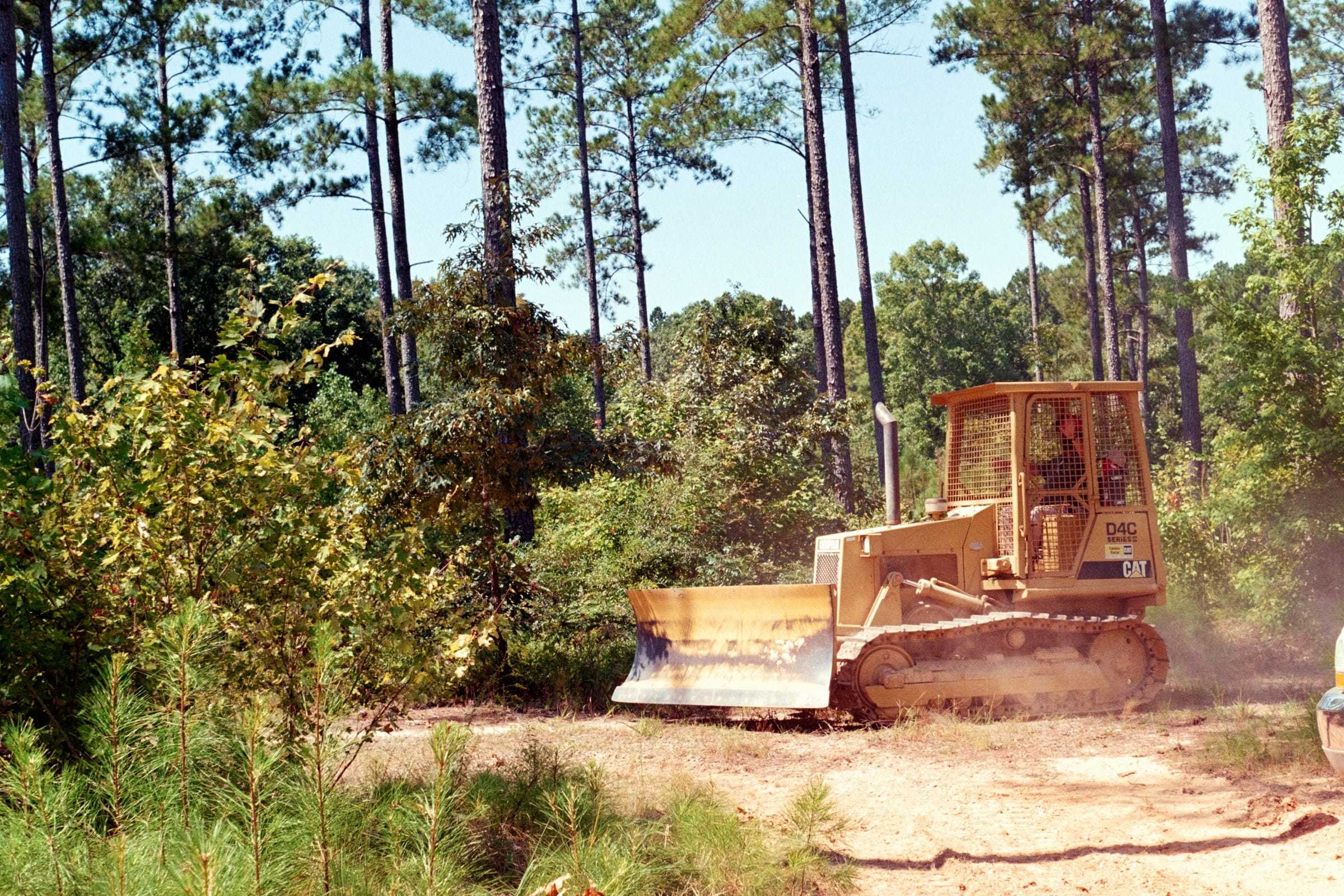
Land clearing & forestry mulching · Albany area
Land clearing, forestry mulching and orchard cleanup in Albany, Leesburg & Sylvester, GA
Wooded lot to build on, an old pecan block to pull out, or storm-damaged trees that never got cleaned up? Send the address or parcel number, a few photos and what you want done, and get a free estimate from a local pro.
- Land clearing, forestry mulching and brush clearing
- Pecan orchard removal and storm-damaged stands
- Permit and burn-permit questions flagged up front
Get a land clearing estimate
Free, no obligation to hire. About 1 minute.
Sound familiar?
Land clearing in Albany: the problems we hear most
-
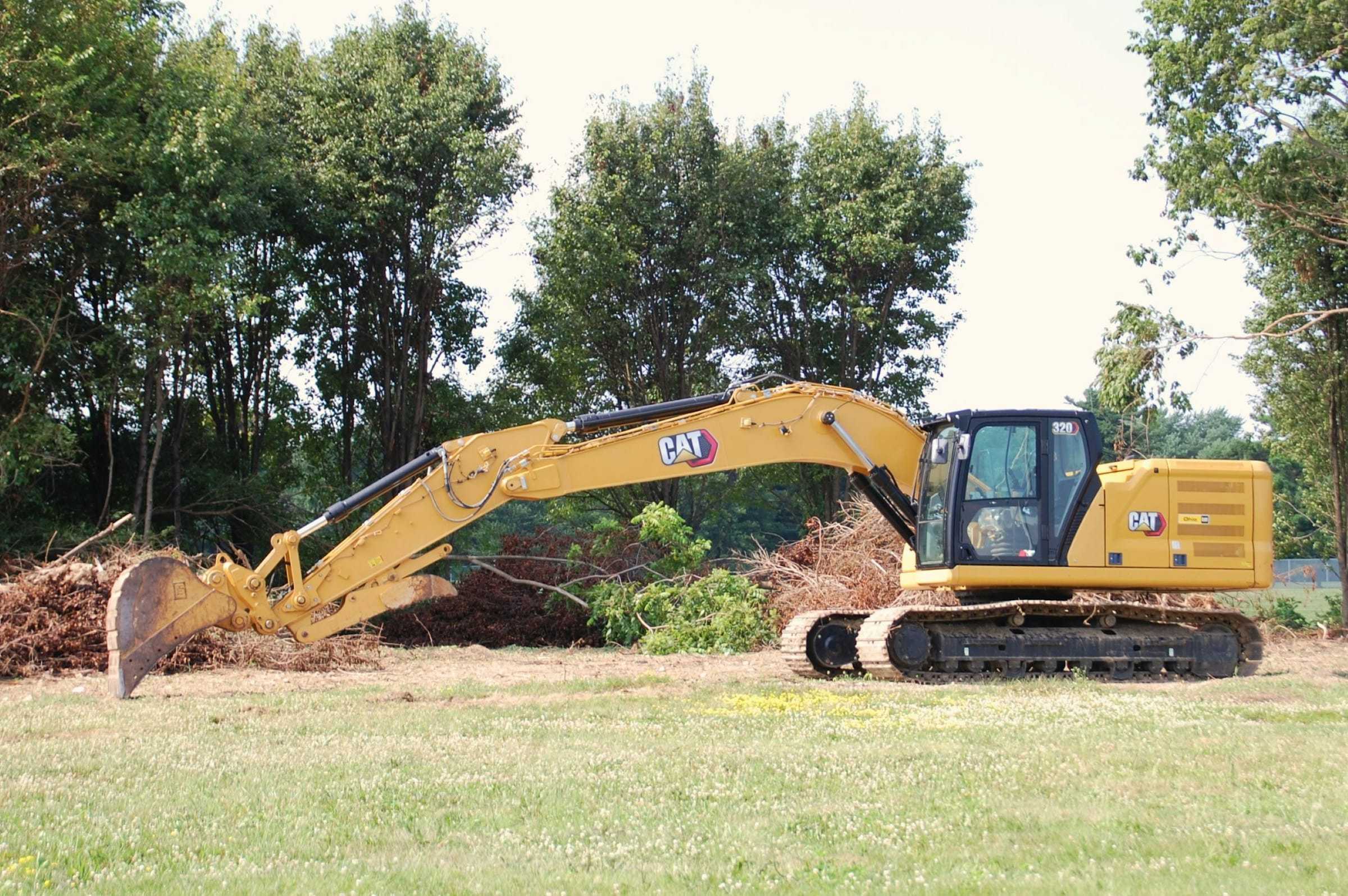
“I bought a wooded lot and need it cleared to build.”
How we help
Send the address or parcel number and your plans. Georgia requires a land-disturbing permit once work reaches an acre, so the provider should ask about your site plan up front.
-
“I have an old pecan orchard I want gone.”
How we help
Say how many acres and how big the trees are. Orchard removal means pushing or grinding the trees, and pulling stumps and roots if you plan to farm or build on the ground afterward.
-
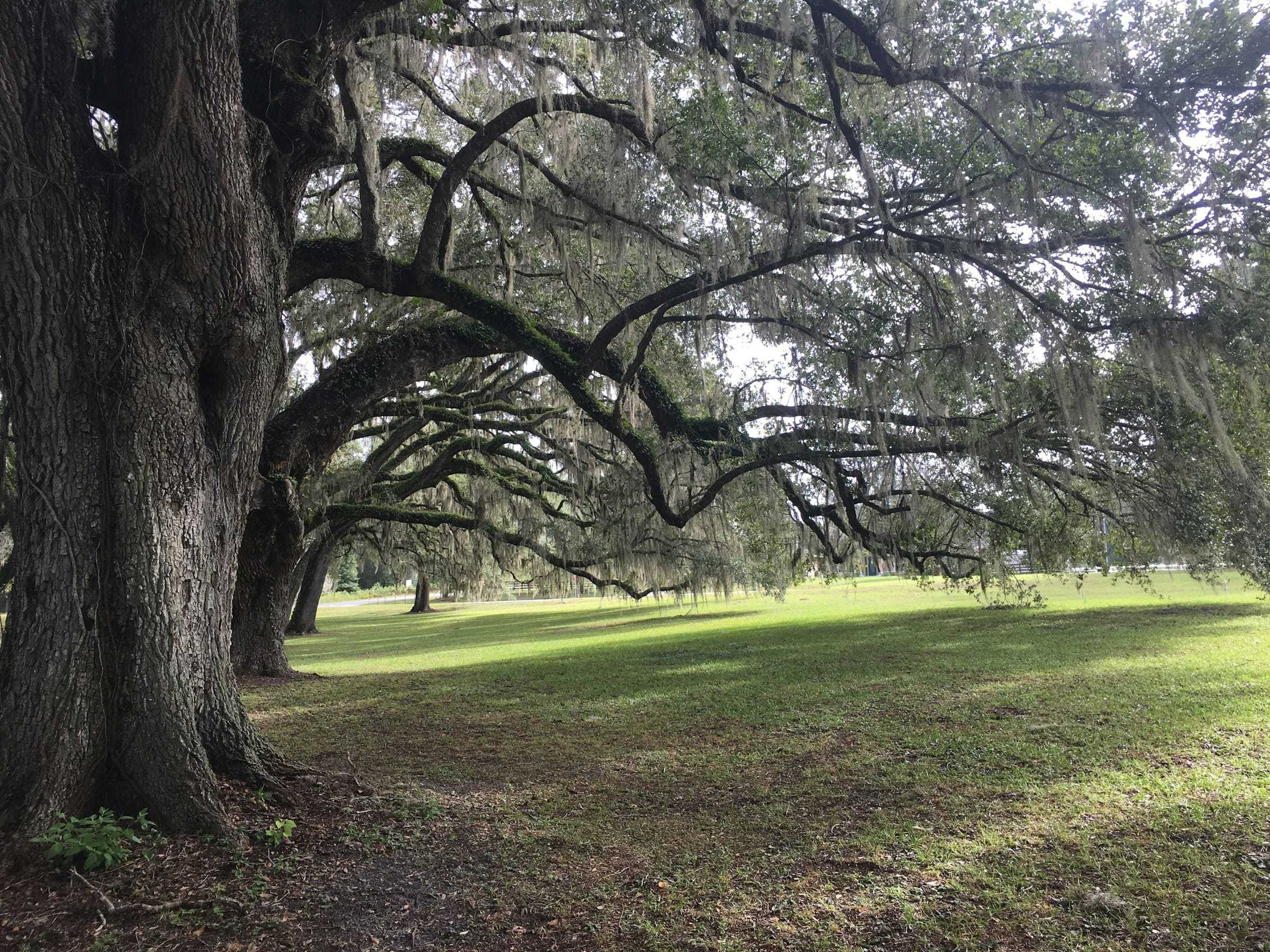
“Storm-damaged trees and brush have been sitting for years.”
How we help
Older storm damage is often a tangle of leaning trees, vines and regrowth. Send photos from the edge and from inside so the crew can judge access and safety.
What kind of clearing do you need?
- Build-ready lot clearing: trees, brush and roots removed before a house, shop or pad goes in.
- Pecan orchard removal: taking out whole blocks, with or without stump and root removal, for farm ground, pasture or building.
- Storm-damage cleanup: leaning, broken and downed trees and the regrowth tangled around them.
- Forestry mulching: brush and small trees ground in place, keeping the larger trees you choose.
- Fence-line, pond-edge and field-edge clearing on rural property.
Permits and burning around Albany: check before the machines arrive
Under the Georgia Erosion and Sedimentation Act, land-disturbing work generally needs a permit once it reaches one acre or sits within 200 feet of state waters, and larger sites also need a Notice of Intent under the state stormwater (NPDES) permit. A lot in a subdivision platted after January 1, 2000 can need a permit even below an acre. The City of Albany lists its land-disturbing permit fee and a per-acre stormwater fee on its engineering page; confirm the current amounts. Dougherty County and neighboring Lee and Worth counties run their own permit offices, so what applies depends on where your parcel sits.
Burning is a separate rule. Georgia requires a Georgia Forestry Commission permit for land-clearing burns, and the City of Albany points residents to the Dougherty County Forestry Unit at 877-652-2876 on its burn permit page. A permit is good only for the day it is issued, burn bans are called in dry spells, and depending on the county, machine-cleared debris may have to go through an air curtain destructor instead of an open fire. The Georgia EPD open-burning rules have the details.
We don’t issue permits or give legal advice. The provider on your job should confirm what applies to your parcel before work starts.
What changes the price of an Albany-area job
We don’t quote per-acre prices here because they vary too much to be honest. These are the things that move the number:
- Whole trees or mulch: orchard trees are usually pushed out and piled or hauled, while brush and small trees can be mulched in place.
- Stumps and roots: leaving them is cheaper, but pulling them is needed if you will plow, plant or pour a slab.
- Debris: mulched on site, hauled away, or burned under a permit. Burning is not always available.
- Wet ground: low spots and ditches can hold water after heavy rain and slow equipment, which can affect timing and price.
- Tree size and spacing: a mature orchard block and eight-year-old regrowth are very different jobs.
Helpful details to include
- The address, or the parcel number and county (Dougherty, Lee or Worth)
- Approximate acreage and, for orchards, the number of rows or trees
- Whether stumps and roots must come out
- Whether you want mulch kept on site or hauled away
- Photos from the road and from inside the property
Local notes for Albany
- Hurricane Michael (October 2018) hit Southwest Georgia hard. The Georgia Forestry Commission’s timber impact assessment found severe damage from Southwest Georgia up to Albany, and many area pecan orchards lost trees. Some growers have replanted since, which is one reason orchard removal and replanting prep come up here.
- Leaning or partly uprooted trees can be dangerous to cut. Ask the provider how they handle storm-stressed trees and whether they carry insurance.
- Albany-area land is mostly flat Coastal Plain, which helps equipment access. Photos taken in dry weather make it easier to judge low spots and drainage.
- Service area: Albany and the surrounding Dougherty, Lee and Worth county area, including Leesburg and Sylvester.
Nearby areas and related services
Simple, free, no obligation
How it works — about a minute of your time
- 1
Snap a photo, tell us what you need
Pick the service, add the address and a sentence. Photos straight from your phone help most.
- 2
We review it
We check the details and flag anything urgent. Then we note what the job needs: size, access, stumps, debris.
- 3
We match it to the right pro
A tree-service pro suited to the job and your neighborhood, from Fort Myers to Naples.
- 4
You get your estimate
We reach out to schedule your free estimate. You decide whether to go ahead.
How do I find a land clearing contractor near Albany?
Send the address or parcel number, a few photos, and what you want done (build, farm, pasture, or clean up storm damage). A local pro will contact you with a free estimate.
What is forestry mulching, and how is it different from land clearing?
Forestry mulching grinds brush and small trees into mulch where they stand, which is usually faster and leaves the ground covered. Traditional land clearing removes trees, stumps and roots, which is what a build-ready lot or farm ground often needs. Tell us your goal, or send photos and the provider will recommend one.
How much does land clearing cost per acre around Albany?
It depends on tree size and spacing, whether stumps and roots come out, how the debris is handled, and how wet the ground is. An orchard block, a storm tangle and open brush are priced differently, so send the address and photos for a real number.
Do I need a permit to clear my land in Dougherty County?
Possibly. Georgia’s state threshold is one acre of land disturbance or work within 200 feet of state waters, and a subdivision lot platted after 2000 may need one even below an acre. The City of Albany, Dougherty County and neighboring counties each have their own offices, so confirm with the one that covers your parcel.
Can I burn the debris after clearing?
Georgia requires a Georgia Forestry Commission burn permit for land-clearing burns, permits are good only the day issued, and burn bans happen in dry weather. Depending on the county, an air curtain destructor may be required. Ask the provider whether burning is an option or whether the debris will be mulched or hauled.
Can you remove a pecan orchard?
Yes. Tell us how many acres, the tree size and what the ground will be used for afterward. If it will be farmed or built on, ask for stumps and roots to be removed too.
Can you clear storm-damaged trees that are still on my property?
Yes, send photos from the edge and from inside. Leaning and partly uprooted trees need extra care, so ask about equipment, insurance and how the crew will work around them.
Ready to get your tree problem handled?
Send one request with a couple of photos. It’s free, there’s no obligation, and a local tree pro will follow up with your free estimate.